

Horse racing stands as one of the most exhilarating and cherished sports in the world, captivating audiences with its blend of speed, strategy, and elegance. It draws enthusiasts from all walks of life and offers a sense of excitement that few other sports can match. From the breathtaking gallop of thoroughbreds on the racetrack to the roaring cheers of the crowd, horse racing is a profound testament to the bond between humans and horses. If you are curious to know more about the role of mounted units and their connection to horse racing, check out horse racing not blocked by GamStop merseysidepolicemounted.uk.
A Brief History of Horse Racing
The origins of horse racing can be traced back to ancient civilizations, where chariots pulled by horses raced for glory. The earliest documented horse race took place in Greece in 648 BC during the Olympic Games. Over the centuries, horse racing evolved, becoming a popular spectator sport in countries such as England, the United States, and Australia. The establishment of racing organizations, such as The Jockey Club in the UK and the American Jockey Club, helped standardize rules and provide structure to the sport.
The Different Types of Horse Racing
Horse racing encompasses several different styles, each with its unique characteristics and challenges:
- Flat Racing: This is perhaps the most recognizable form of horse racing, where horses race on a flat track without obstacles. Races can vary in distance from 5 furlongs to 2 miles, and speed is often the focus.
- Jump Racing: Also known as National Hunt racing, this type of racing involves horses jumping over hurdles and fences. It requires both speed and agility and often features longer distances.
- Endurance Racing: Endurance races can be incredibly grueling, often taking place over several miles. These races test both the horse’s stamina and the rider’s determination.
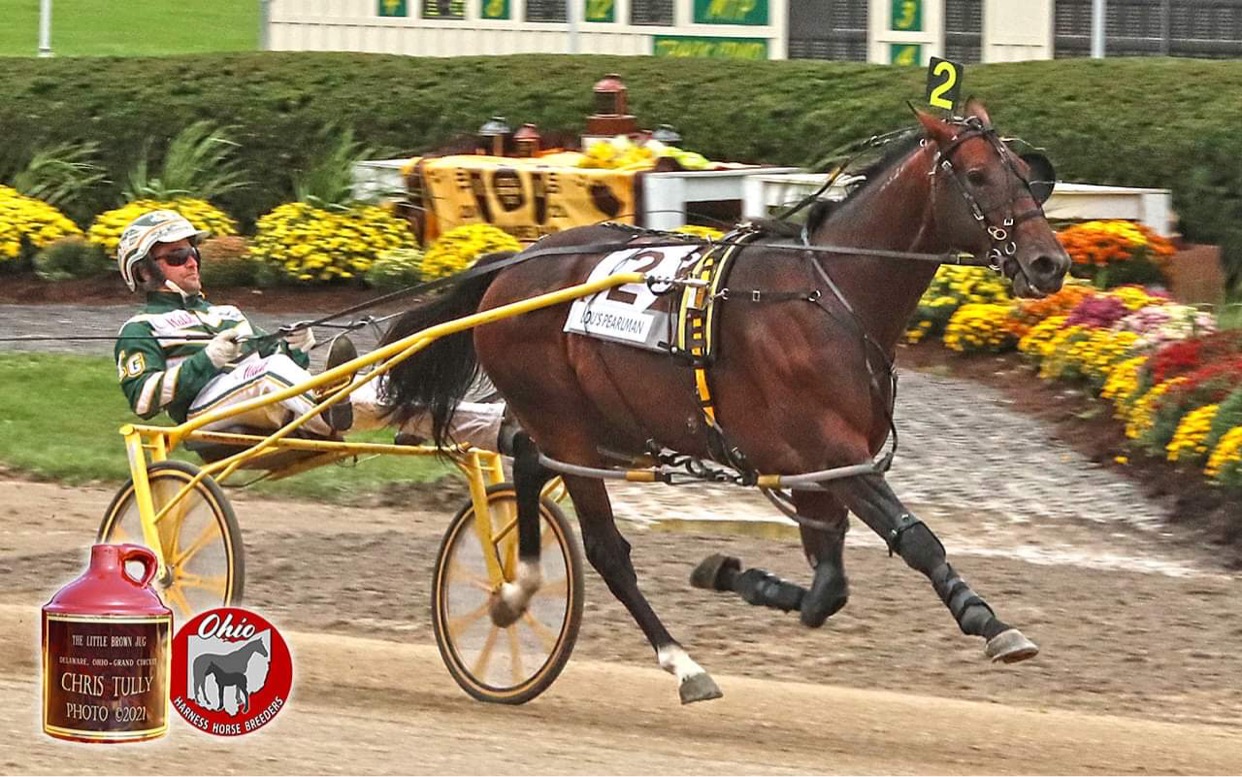
- Standardbred Racing: In this type of racing, Standardbreds compete in harness racing, where they pull a small cart (sulky). It’s a thrilling sight, as drivers navigate the track with skill.
Why Horse Racing is Not Just a Sport
Horse racing is not merely a test of speed and agility; it also serves as a cultural phenomenon, a celebration of tradition, and an arena for social interaction. Fans gather not only to witness the race but also to partake in the festive atmosphere that accompanies these events. The Kentucky Derby, for example, is an iconic event that draws attendees from around the globe, showcasing fashion, music, and culinary delights. shop.meyeoptiek.nl
The Role of Betting in Horse Racing
Betting has long been intertwined with horse racing, adding an additional layer of excitement and engagement for spectators. Various betting options are available, from straightforward win/place/show bets to exotic wagers like trifectas and superfectas. The thrill of watching your chosen horse cross the finish line first, especially after placing a bet, heightens the emotional stakes for fans.
While betting can enhance the experience, it is crucial to approach it responsibly. Understanding the odds, form, and past performances of horses can help bettors make informed decisions while enjoying the sport. wlddevelopment.wpengine.com
The Thrill of the Race Day Experience
For many, the experience of attending a horse race is something truly special. The atmosphere pulsates with energy, as fans cheer for their favorite horses and jockeys. The sound of hooves pounding on the track, the smell of fresh hay, and the sight of magnificent horses in their prime create a sensory experience that is hard to replicate. Special events, live music, and gourmet food stalls make race days festive occasions, drawing crowds seeking both entertainment and competition.
The Future of Horse Racing
As horse racing continues to evolve, it faces challenges ranging from animal welfare concerns to shifts in societal values towards gambling. However, the inherent appeal of the sport remains resilient. Efforts to promote sustainability, improve horse care, and enhance the overall experience for participants and spectators are becoming increasingly important. Technological advancements, such as virtual racing and online betting platforms, are also shaping the future of the sport.
The Community Behind Horse Racing
One of the most significant aspects of horse racing is the community that surrounds it. From owners and trainers to jockeys and fans, a diverse network of individuals contributes to the sport. Many horse racing events also support charitable causes, helping to promote positive social change. The bonds formed through shared passion, whether on the racetrack or within local communities, ensure that horse racing will continue to thrive.
Conclusion
Horse racing stands as a timeless sport that combines emotion, strategy, and grace. Its ability to captivate audiences and create a sense of belonging proves that it is not merely a competition for speed but a cultural event that unites people from all walks of life. As horse racing navigates modern challenges, its passionate community remains a driving force behind its enduring appeal. The thrill of the race is unlikely to be extinguished, and the future promises exciting developments for this beloved sport.